
For critical remote infrastructure in the oil and gas industry—from wellheads and compressor stations to pipeline monitoring points—reliable power is non-negotiable. These assets often rely on standalone power systems where grid connectivity is absent or unreliable. The biggest mistake a site manager can make is improperly sizing the power solution, leading to system shutdowns, equipment damage, and costly downtime. Learn from G&C Optimization today.
How to Perform a Load Analysis for Your Remote Power System
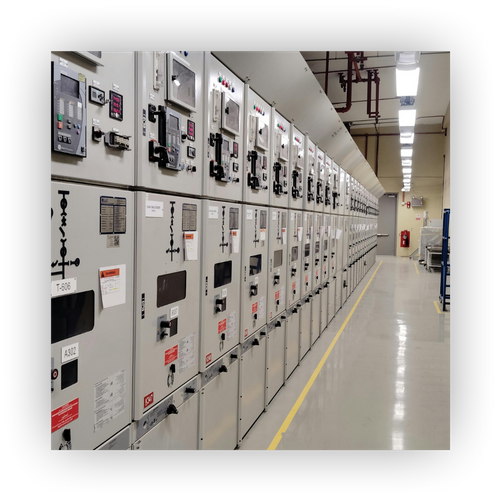
Inventory and Categorize All Electrical Loads
Begin by creating a complete list of every single device that will draw power. This includes the major components like RTUs, SCADA systems, communication radios, and instrument transmitters, down to less obvious loads like anti-condensation heaters, security cameras, and enclosure fans. Categorize them by voltage (DC vs. AC) and function (continuous vs. intermittent).

Determine Peak and Nominal Power Consumption
For each inventoried device, find its power draw in Watts or Amperes. This information is typically found on the device's nameplate, datasheet, or manual. You must account for two values: the nominal (running) power and the inrush (peak startup) power. The sum of all peak loads running simultaneously will define the minimum inverter or power supply rating required.

Calculate Daily Energy Consumption (Watt-Hours)
Power (Watts) is instant consumption; energy (Watt-hours) is consumption over time. To calculate daily energy consumption, multiply each device’s nominal power (W) by its operating time (hours) over a 24-hour period. For example, a flow computer that runs 24/7 consumes W * 24 hours. A valve actuator that runs for only 5 minutes a day consumes W * (5/60) hours. Summing these figures provides your total daily Watt-hour requirement.

Factor in System Losses and Efficiency
Real-world systems lose energy. You must factor in losses from cable resistance, conversion inefficiencies from DC to AC (via an inverter), and the operational temperature range. For battery sizing, also consider the system’s depth-of-discharge (DoD) limits. These technical adjustments typically increase the required power capacity by 15-25% to ensure the system is not perpetually operating on the ragged edge of its capabilities.

Define Autonomy Requirements for Solar with Battery Backup Systems
This is the most critical step for reliable standalone power systems. Autonomy is the number of days your battery bank must power the site without any supplemental charging (e.g., during long stretches of cloudy weather). For a remote, critical oil and gas site, we often recommend 3 to 7 days of autonomy. This autonomy period, combined with the total daily energy consumption, directly dictates the necessary capacity of your battery bank and the size of your solar array, often backed up by an uninterruptible power supply (UPS) system to bridge any instant power gaps.
An exhaustive load analysis is the foundation of any successful remote power project. Contact our consulting team today at G&C Optimization and learn more.