The landscape of oil and gas automation is rapidly evolving, driving operators to seek flexible data management solutions. Traditional on-premise systems are increasingly challenged by modern cloud alternatives. But is transitioning to the cloud the right move? Understanding the advantages and potential drawbacks of Cloud SCADA is essential for an informed decision.
Is Cloud SCADA Right for You? Weighing the Pros and Cons for Your Operation
Unmatched Scalability and Flexibility
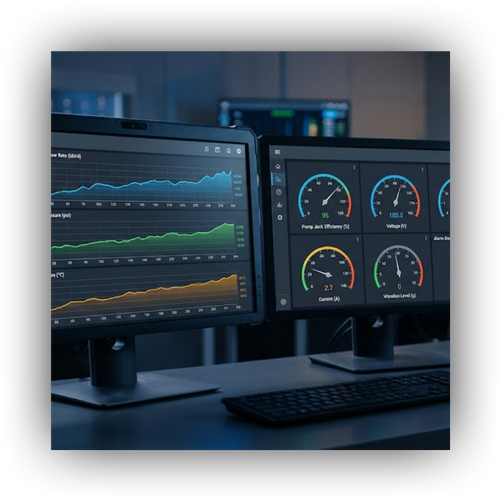
One of the most significant benefits of Cloud SCADA is its inherent scalability. As your operations expand, adding new wells or pipelines to a cloud-based system is remarkably straightforward compared to upgrading physical servers. This flexibility allows industrial control systems to grow organically alongside your business without requiring massive upfront hardware investments. You can easily adjust computing power and storage capacity on the fly, ensuring optimal performance.
Remote Accessibility and Real-Time Data
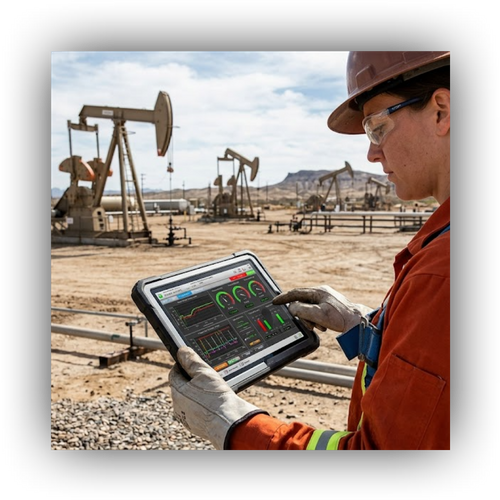
Cloud SCADA empowers operators with unprecedented remote access. Personnel can monitor critical metrics, acknowledge alarms, and view real-time dashboards from virtually any location using a secure internet connection. This is particularly advantageous for SCADA for oil and gas pipelines, where assets are spread across vast geographical areas. Having instant access to operational data enables faster decision-making, reduces unnecessary site visits, and improves overall response times.
Lower Upfront Costs and Maintenance
Traditional SCADA architectures demand substantial capital expenditure for servers, networking equipment, and specialized IT personnel. In contrast, cloud platforms operate on a subscription-based model, shifting costs from capital expenditures to operational expenditures. Furthermore, the cloud provider handles server maintenance, security patching, and hardware upgrades. This relieves your internal team from burdensome IT management, allowing them to focus entirely on core automation and process optimization.

Addressing Cybersecurity and Data Privacy Concerns
While the cloud offers immense benefits, cybersecurity remains a valid concern. Entrusting sensitive operational data to a third-party server requires absolute confidence in their security protocols. Fortunately, leading cloud providers invest heavily in advanced cybersecurity measures, often exceeding what individual companies can afford on-premises. However, meticulous SCADA programming and robust authentication protocols must be implemented to ensure data pipelines remain impenetrable to external cyber threats.
The Factor of Internet Reliability
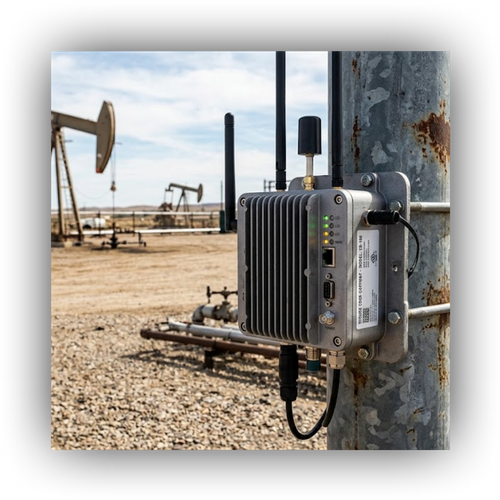
The Achilles' heel of any cloud-based solution is its dependence on a consistent internet connection. If connectivity drops at a remote well site, visibility into that asset is temporarily lost. For critical pipeline operations, this can be a dealbreaker. To mitigate this risk, operators often deploy edge computing devices that store data locally during outages and sync with the cloud once the connection is restored, ensuring zero data loss.
Modernize Your Data Strategy Today
Deciding between on-premise and cloud SCADA requires careful consideration of your specific operational needs and infrastructure. At G&C Optimization, our experts excel in advanced SCADA programming and designing robust control architectures. We can help you navigate these choices, ensuring your data management strategy maximizes efficiency and security. Contact G&C Optimization today to discuss how we can modernize your automation architecture for the future.