

Implementing supervisory control and data acquisition systems represents a pivotal step in modernizing industrial operations. Transitioning to integrated remote control unlocks unprecedented real-time visibility across complex processing environments. By following a structured implementation roadmap, industrial operators can minimize deployment risks, safeguard critical operational assets, and establish a scalable foundation for long-term automation growth and efficiency.
Define Operational Objectives and System Functional Scope
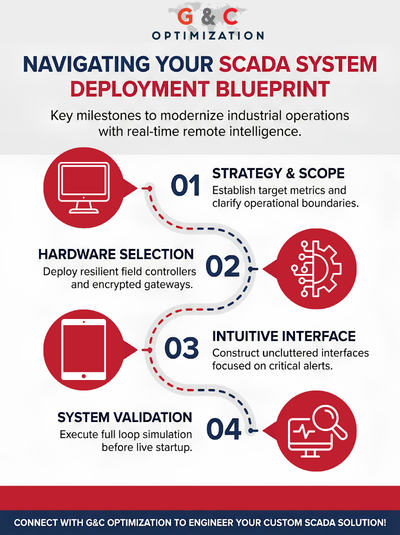
Successful automation deployment begins with establishing clear operational goals and identifying critical field assets. Evaluating key performance metrics helps define system requirements for data acquisition, alarm logging, and remote control access. Defining functional scope early prevents scope creep, aligns engineering teams with business priorities, and ensures project resources target high-impact operational improvements across your facilities.

Select Reliable Field Hardware and Network Infrastructure
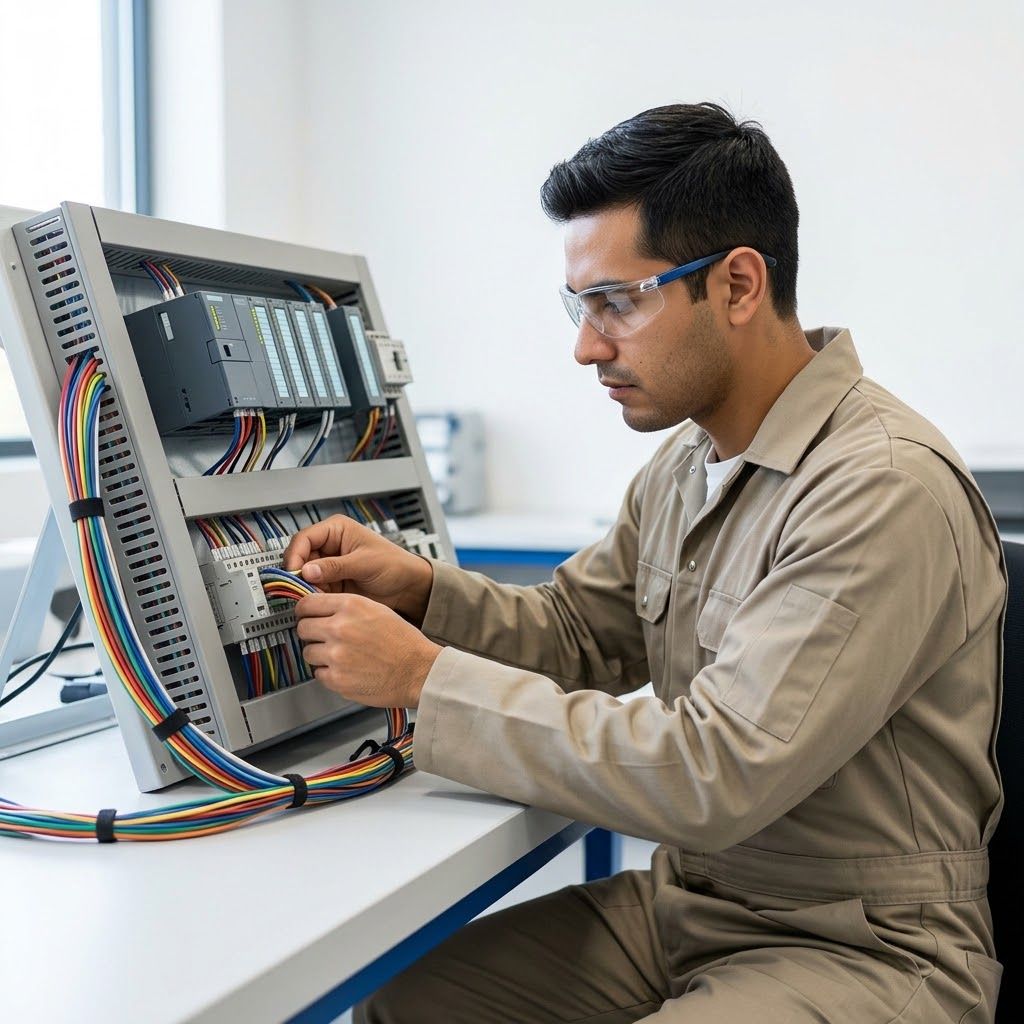
Choosing ruggedized field devices, programmable logic controllers, and secure communication gateways ensures robust data collection in harsh operating environments. Hardware selection must support industry-standard communication protocols for seamless interoperability across legacy and modern equipment. Investing in high-quality control panel solutions guarantees long-term signal integrity, minimal field maintenance, and dependable data transfer across your entire enterprise network.
Design Intuitive Human-Machine Interfaces for Operational Clarity
Effective human-machine interface design translates complex field telemetry into intuitive visual displays for operators. Clear graphic layouts highlight critical alarm states, system pressures, and process flows without cluttering screens with unnecessary metrics. Prioritizing human factors engineering improves operator response times during operational anomalies, enhances workplace safety, and reduces human error across daily monitoring activities.

Establish Rigorous System Testing and Commissioning Protocols
Thorough factory acceptance testing and site commissioning validate system performance prior to full operational handover. Testing every control loop, alarm notification, and emergency shutdown sequence under simulated conditions prevents costly operational disruptions during live startup. Structured validation protocols ensure full compliance with safety standards and confirm that overall system execution meets engineering specifications perfectly.

Planning a seamless automation deployment requires experienced technical strategy, tailored hardware engineering, and robust software integration. At G&C Optimization, we partner with facility operators to deliver industry-leading oil and gas automation, advanced SCADA systems, and complete industrial automation solutions. Visit our website today to explore our automation consulting expertise or contact our team to discuss your upcoming project requirements.