
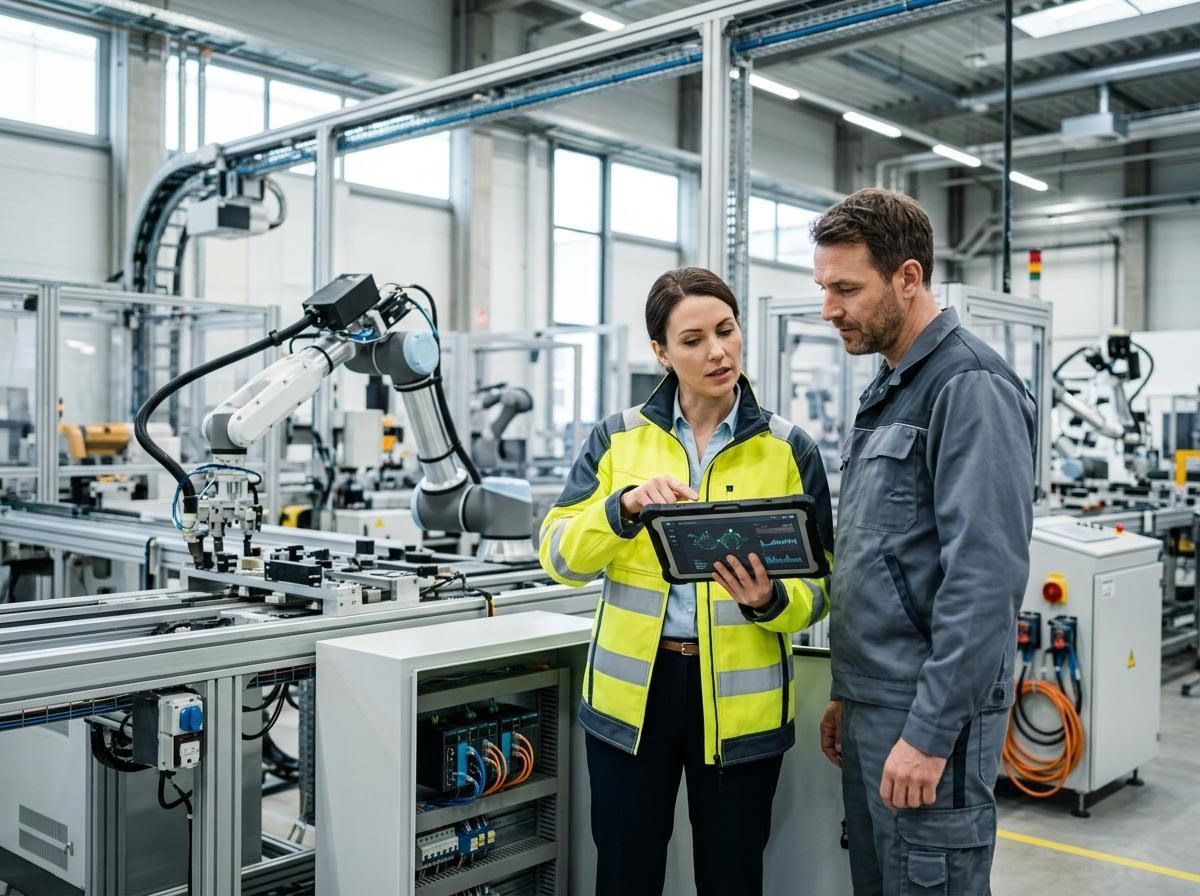
In today's highly interconnected industrial landscape, automated factory systems are the backbone of efficiency and productivity. However, this increased connectivity also introduces a critical vulnerability: cybersecurity. Protecting these complex operational technology (OT) environments is no longer an option, but an imperative for maintaining continuous operations, safeguarding intellectual property, and ensuring worker safety. At G&C Optimization, we understand that robust cybersecurity is fundamental to the reliability and longevity of your automated investments, and we are dedicated to helping manufacturing companies navigate this evolving threat landscape.

Understanding the Unique Cybersecurity Challenges in OT Environments
Unlike traditional IT systems focused on data confidentiality, OT environments prioritize availability and integrity. A cyberattack on an automated factory system can lead to production halts, equipment damage, safety incidents, and significant financial losses. The unique blend of legacy systems, proprietary protocols, and real-time operational demands within industrial control systems (ICS) presents a distinct set of security challenges. Threats range from sophisticated state-sponsored attacks and ransomware to insider threats and supply chain vulnerabilities, all capable of exploiting the often-overlooked entry points in an industrial network.

Implementing Foundational Security Best Practices
Building a resilient cybersecurity posture for automated factories begins with a strategic, layered approach. Network segmentation is paramount, isolating critical OT networks from the broader IT infrastructure to limit the spread of potential breaches. Implementing strict access control, leveraging the principle of least privilege, ensures that only authorized personnel and systems can interact with critical control functions. Regular vulnerability assessments and timely patching, while challenging in OT, are non-negotiable for identifying and mitigating known weaknesses before they can be exploited. Furthermore, a comprehensive inventory of all connected devices provides the necessary visibility to monitor and protect your assets effectively.
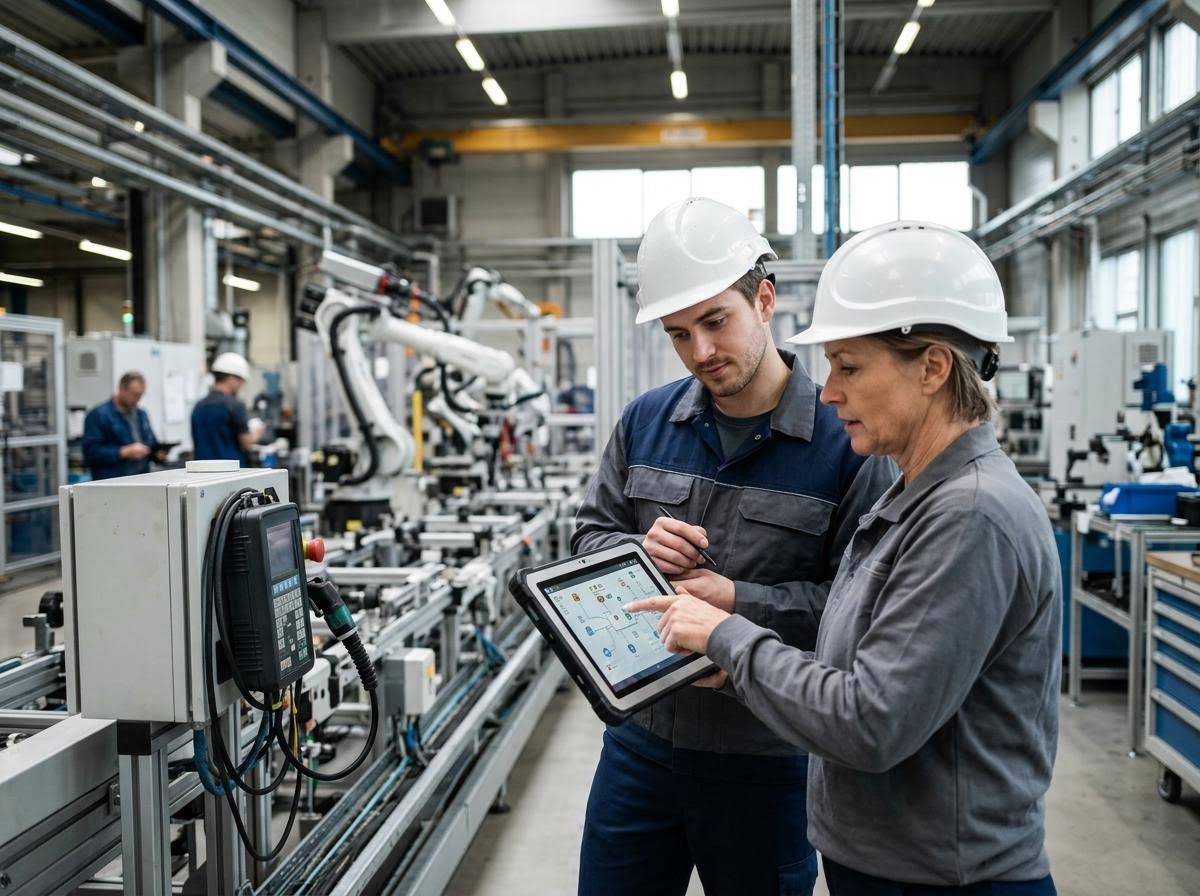
Proactive Monitoring and Incident Response Planning
Even with robust preventative measures, the threat of a cyberattack remains constant. Continuous monitoring of your industrial control systems for unusual activity or anomalies is crucial for early detection. This involves deploying specialized OT security solutions that understand industrial protocols and behaviors, rather than relying solely on IT-centric tools. Equally important is developing and regularly practicing a detailed incident response plan. This plan should clearly outline steps for detection, containment, eradication, recovery, and post-incident analysis, ensuring a swift and organized response to minimize disruption and accelerate recovery should a breach occur. Employee training is also vital, transforming your workforce into your first line of defense against social engineering and phishing attempts.
Navigating the complexities of cybersecurity in automated factory systems requires specialized expertise and a proactive approach. By prioritizing foundational security practices, implementing continuous monitoring, and preparing a comprehensive incident response, manufacturing companies can significantly enhance their resilience against cyber threats. To explore how you can fortify your automated operations and protect your critical infrastructure, reach out to our team of experts for a personalized consultation on advanced cybersecurity strategies.