In today's dynamic manufacturing landscape, maintaining impeccable quality control is not just an advantage—it's a necessity. Traditional, manual quality checks, while foundational, often present limitations in consistency, speed, and data capture, leading to potential inefficiencies and compliance risks. The path forward for B2B manufacturing companies lies in harnessing the power of automation to elevate quality standards, ensuring every product meets stringent specifications with unprecedented accuracy. G&C Optimization stands at the forefront of this transformation, providing the expertise to integrate cutting-edge automated solutions into your production workflow.
The Critical Need for Precision in Manufacturing Quality
For manufacturing companies, particularly those operating in complex sectors like oil and gas, product quality directly impacts operational efficiency, regulatory compliance, and ultimately, market trust. Manual quality control processes are inherently susceptible to human error, fatigue, and subjective interpretation, which can result in inconsistent product quality, increased scrap rates, and costly rework. These challenges not only affect the bottom line but can also tarnish a brand's reputation and lead to significant delays in project timelines. Establishing robust, consistent quality checks is paramount to mitigating these risks and ensuring long-term success in a competitive environment.
How Automation Revolutionizes Quality Control
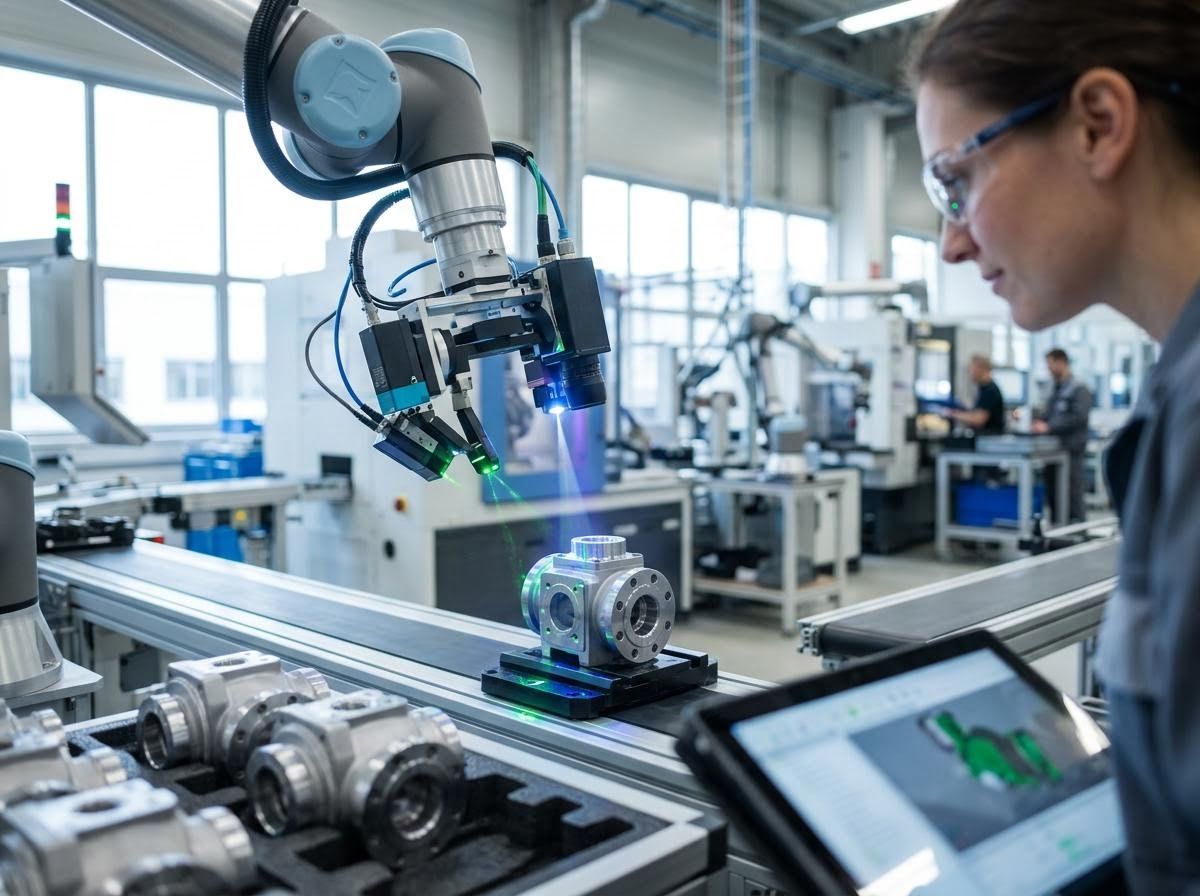
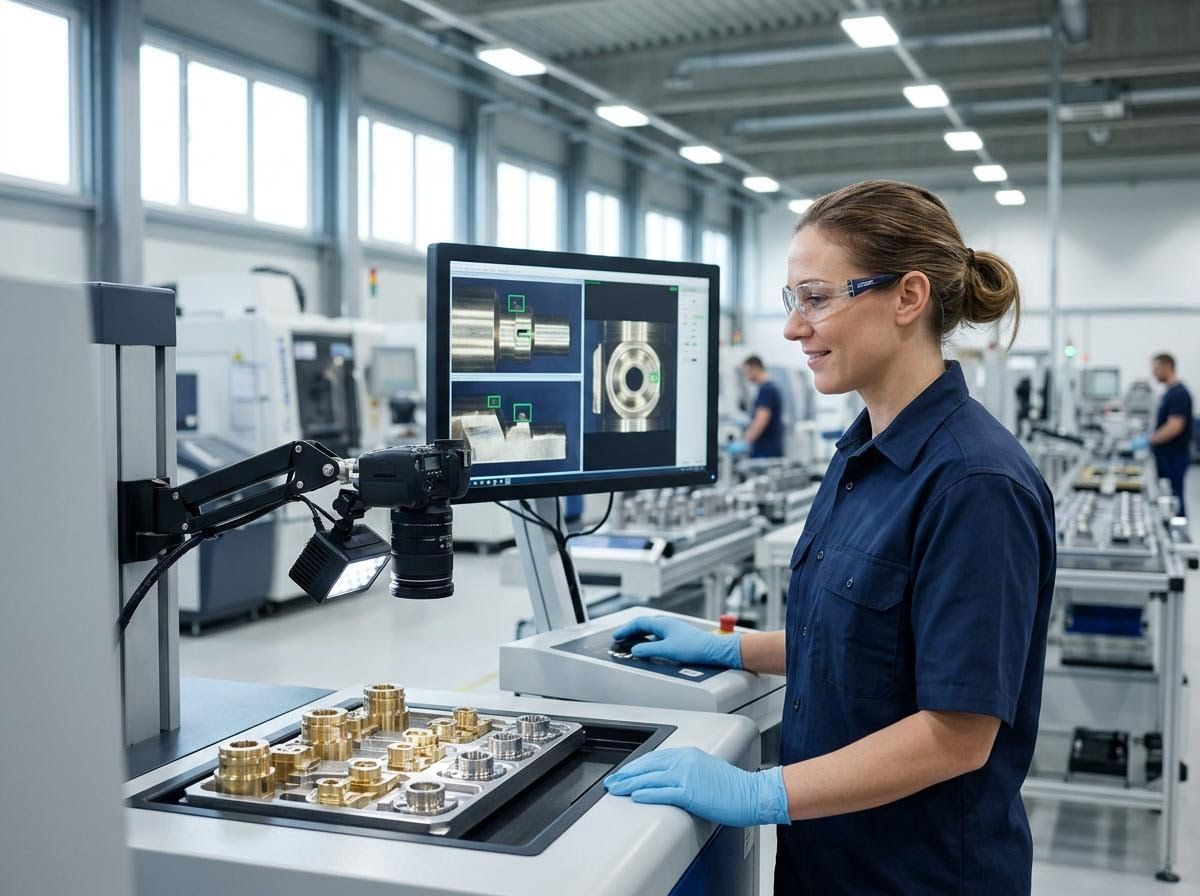
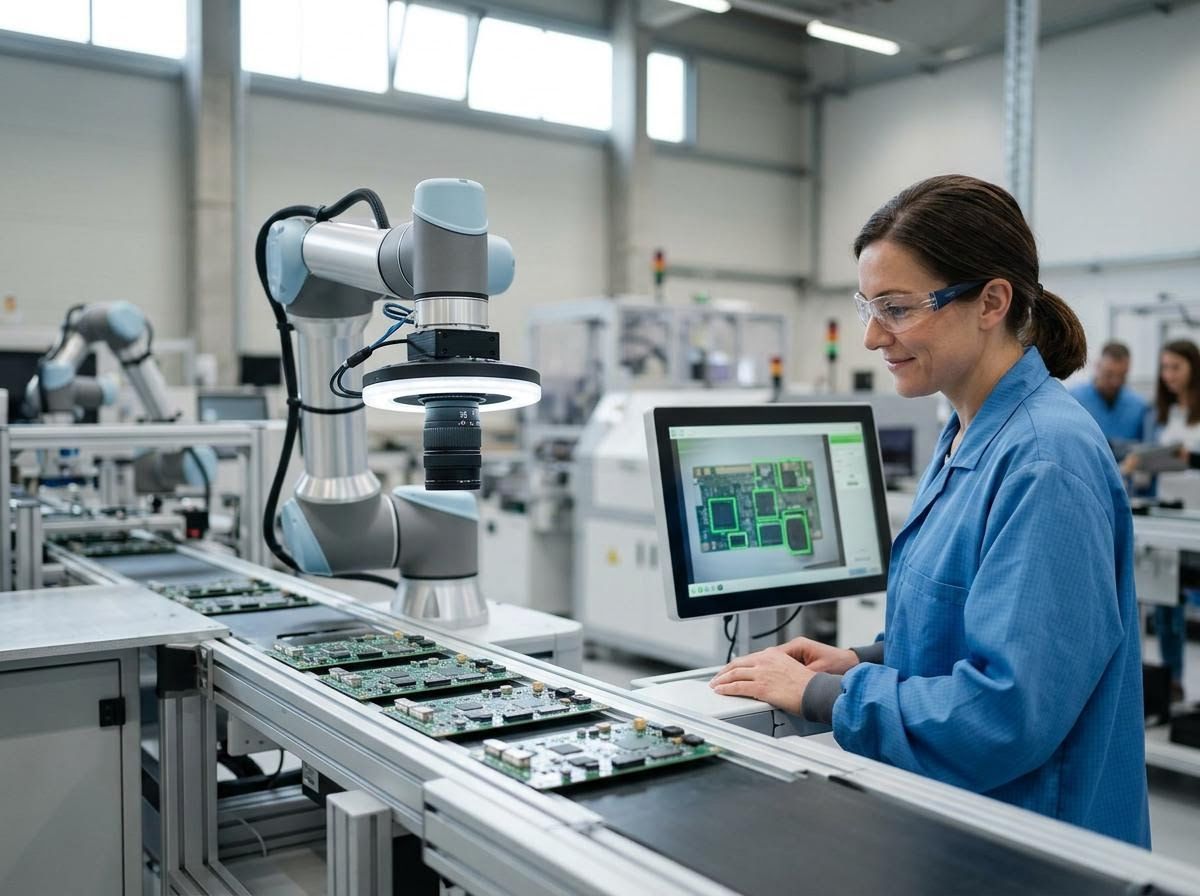
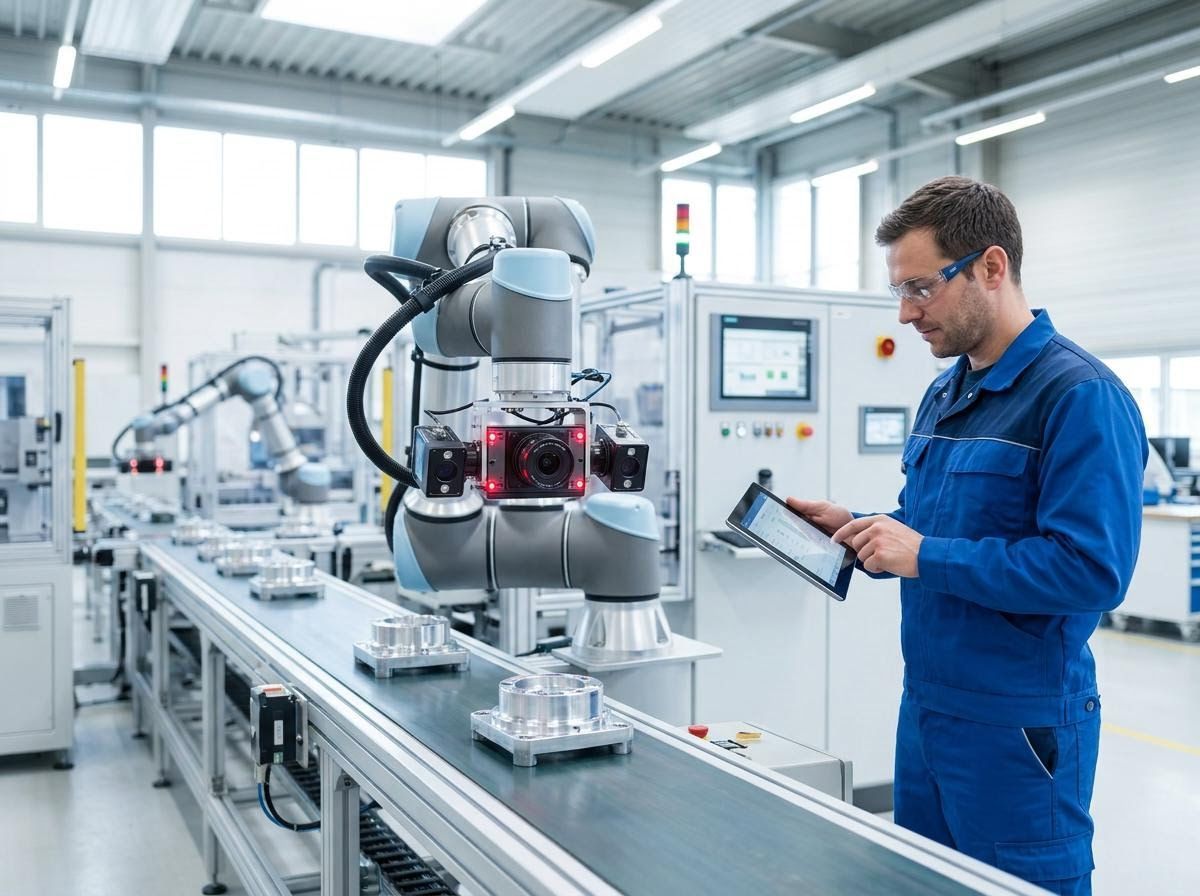
Automation brings a new paradigm to quality control, moving beyond simple detection to proactive prevention and continuous improvement. By integrating advanced technologies, manufacturers can achieve unparalleled levels of precision and consistency. Automated inspection systems, such as robotic vision systems and high-precision sensors, can perform repetitive tasks with microscopic accuracy, identifying even the slightest deviations that might escape the human eye. Real-time data acquisition through IIoT (Industrial Internet of Things) devices allows for continuous monitoring of critical parameters, enabling immediate adjustments to the production process. This shift from reactive problem-solving to proactive quality assurance significantly reduces defects, optimizes resource utilization, and enhances overall product integrity.
Key Technologies Driving Automated Quality Control
The sophisticated quality control systems of today are powered by a suite of interconnected technologies designed for maximum impact. Advanced sensor arrays provide detailed measurements, while machine vision systems, often leveraging AI and machine learning, can rapidly analyze surfaces, dimensions, and assembly accuracy. Collaborative robots can perform complex inspection routines, handling delicate components or operating in hazardous environments with unwavering precision. Furthermore, integrated control platforms like SCADA and DCS tie these systems together, creating a unified network where data flows seamlessly from production lines to analytical dashboards. This comprehensive approach not only ensures product excellence but also generates invaluable data for process optimization and predictive quality analytics.
Beyond Defect Detection: Broader Operational Benefits
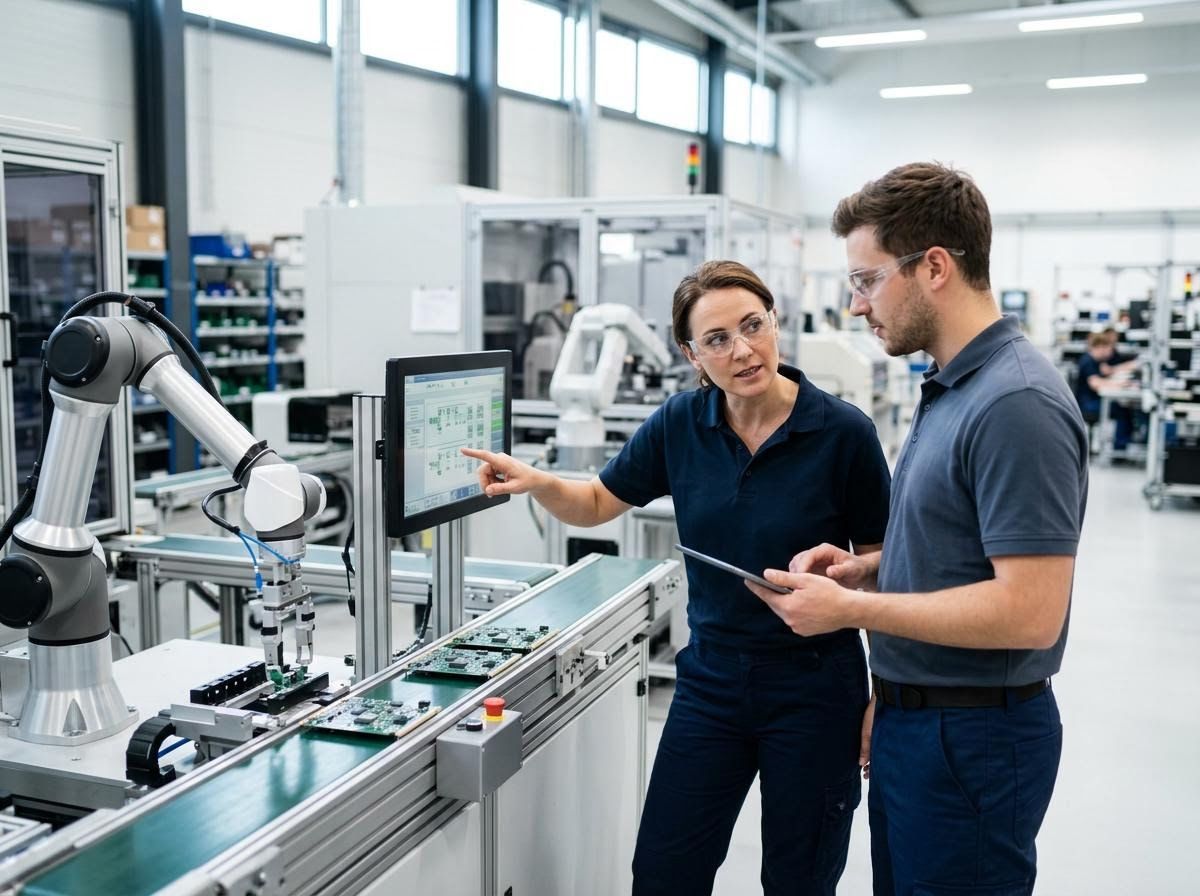
The advantages of automated quality control extend far beyond merely identifying flaws; they encompass a holistic improvement across the entire manufacturing operation. By minimizing defects and rework, companies can significantly reduce material waste and associated production costs. The enhanced consistency and reliability of automated processes lead to greater throughput and operational efficiency, allowing manufacturers to meet demand more effectively. Moreover, a consistently high-quality product bolsters customer satisfaction, reinforces brand loyalty, and provides a significant competitive edge in the marketplace. Adhering to stringent industry standards becomes more achievable, safeguarding compliance and ensuring operational safety.
Automated production processes are undeniably the future of quality control in manufacturing. They offer an unparalleled opportunity to transcend the limitations of traditional methods, delivering precision, consistency, and efficiency that are critical for success in today's demanding industrial landscape. By embracing these innovative solutions, businesses can not only safeguard their product quality but also unlock new levels of operational performance and cost savings. To explore how tailored automation solutions can revolutionize your quality control processes and optimize your operations, we invite you to connect with G&C Optimization and discover our comprehensive range of services.