

In today's competitive landscape, manufacturers are constantly seeking avenues to enhance efficiency, reduce costs, and maintain a leading edge. The path to achieving these goals often lies in harnessing the power of operational data, transforming raw numbers into actionable insights. Making data-driven decisions is no longer an option but a necessity for optimization, and at G&C Optimization, we empower businesses to unlock this potential through sophisticated automation solutions.

Unlocking the Value of Industrial Data
Modern manufacturing environments are rich with data, generated continuously by sensors, programmable logic controllers (PLCs), Supervisory Control and Data Acquisition (SCADA) systems, and enterprise resource planning (ERP) platforms. This torrent of information, when properly collected, integrated, and analyzed, offers an unprecedented level of visibility into every facet of operations. Moving beyond anecdotal evidence or reactive troubleshooting, leveraging this industrial data allows companies to develop a proactive approach, identifying trends, predicting potential issues, and optimizing processes before they impact production. It transforms guesswork into precise, verifiable decision-making.

Key Avenues for Optimization Through Data
Implementing a robust data strategy opens up numerous opportunities for significant improvements across a manufacturing facility.
Process Efficiency and Throughput: By analyzing data on cycle times, machine utilization, and material flow, bottlenecks can be precisely identified and eliminated. This leads to streamlined production lines, reduced waste, and ultimately, higher throughput.
Enhanced Quality Control: Real-time monitoring of process parameters and product specifications allows for immediate detection of anomalies. Data analytics can predict quality deviations before they occur, enabling proactive adjustments and significantly reducing rework or scrap rates.
Predictive Maintenance and Asset Performance: Instead of relying on scheduled or reactive maintenance, data-driven strategies enable predictive maintenance. Analyzing machine vibration, temperature, pressure, and operational hours can forecast equipment failures, allowing maintenance to be scheduled optimally, minimizing downtime, and extending asset lifespans.
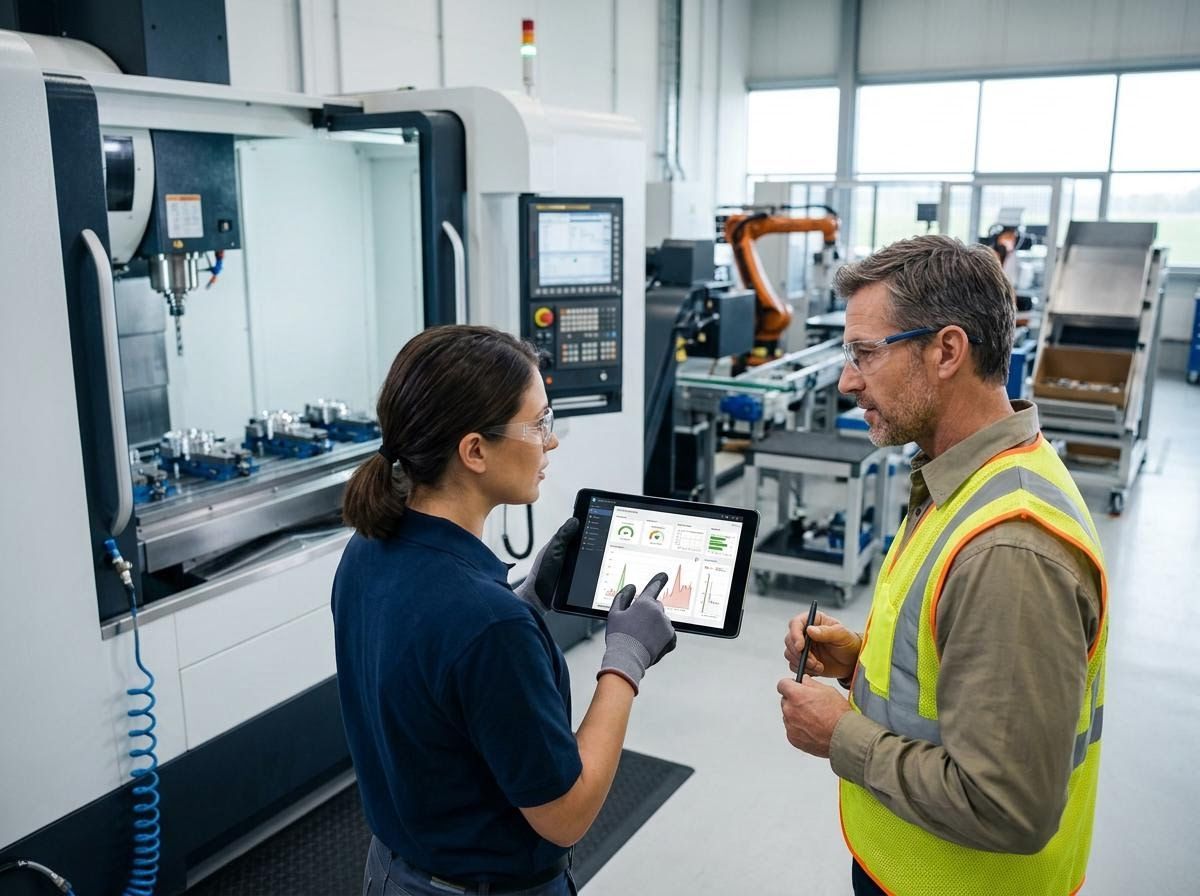
Implementing a Robust Data Strategy
The journey to data-driven manufacturing begins with establishing a solid foundation for data collection and integration. This involves deploying advanced instrumentation, establishing secure communication networks, and implementing robust control systems that can seamlessly capture operational data. The next critical step is integrating this disparate data into a unified platform where it can be cleaned, processed, and subjected to advanced analytics, including machine learning algorithms. This holistic approach ensures that data is not just collected, but intelligently interpreted to generate meaningful insights that drive continuous improvement. Expert implementation of these automation and control infrastructures is paramount to ensure data integrity and system reliability.
By embracing data-driven decision-making, manufacturing companies can move beyond conventional operational strategies to achieve unparalleled levels of efficiency, quality, and reliability. This transformative approach empowers businesses to not only respond to market demands but also to anticipate them, securing a significant competitive advantage. To explore how comprehensive automation solutions can be tailored to transform your operational data into powerful, actionable intelligence, discover our range of specialized services.