
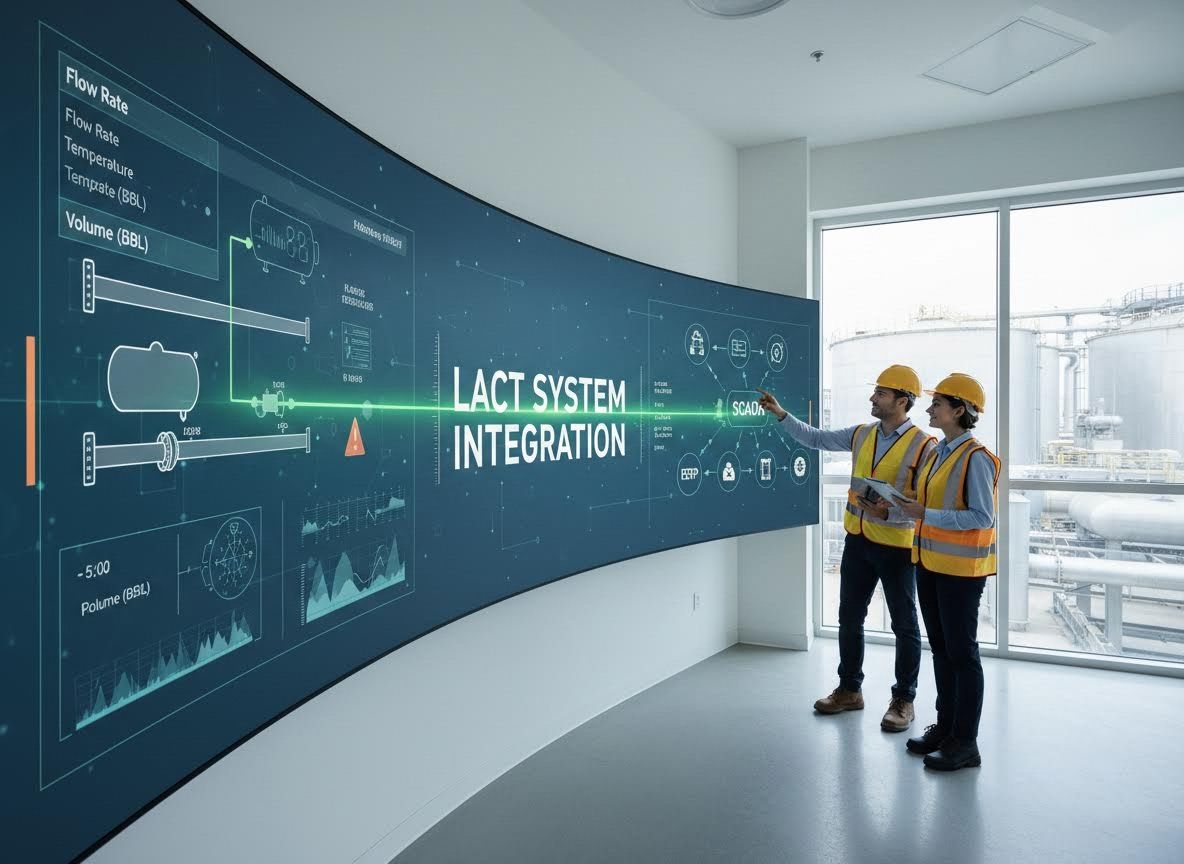
In today's competitive manufacturing landscape, operational efficiency is paramount, especially when dealing with the precise transfer and measurement of valuable liquid resources. Advanced Lease Automatic Custody Transfer (LACT) systems offer a sophisticated solution to streamline these critical processes, ensuring accuracy, reliability, and cost-effectiveness. At G&C Optimization, we understand the complexities involved in managing fluid transfers and are committed to helping B2B manufacturing companies leverage cutting-edge integration techniques to unlock their full operational potential. This post explores how advanced LACT system integration can transform your manufacturing operations.

Understanding the Foundation: LACT Systems in Manufacturing
LACT systems are automated units designed to accurately measure and transfer crude oil or other liquid hydrocarbons from a production facility to a transport pipeline or storage facility. Their core function is to ensure precise custody transfer, minimizing disputes and maximizing accountability. For manufacturing companies involved in the production, processing, or distribution of bulk liquids, the integrity of these systems directly impacts profitability, regulatory compliance, and overall operational continuity. A well-functioning LACT system ensures that every barrel or gallon transferred is accurately accounted for, reducing losses and providing critical data for inventory management.
The Pitfalls of Disconnected LACT Operations
While LACT systems are inherently designed for accuracy, their full potential can be hampered by outdated or disconnected implementations. Traditional setups often suffer from manual data entry, which introduces human error and creates data silos that prevent a holistic view of operations. Challenges include inconsistent calibration procedures, difficulty integrating with existing enterprise resource planning (ERP) or supervisory control and data acquisition (SCADA) systems, and a lack of real-time visibility into transfer processes. These inefficiencies can lead to significant financial discrepancies, compliance violations, and a reactive operational environment rather than a proactive one.

Unlocking Value Through Advanced Integration
The true power of LACT systems is realized through advanced integration. This involves seamlessly connecting the LACT unit with broader operational technology (OT) and information technology (IT) infrastructures, such as SCADA, Distributed Control Systems (DCS), ERP, and Manufacturing Execution Systems (MES). The benefits are multifaceted:
Enhanced Accuracy and Reliability: Real-time data acquisition from integrated sensors ensures precise measurement, reducing human intervention and the potential for errors in volume, temperature, and quality readings. This leads to more reliable custody transfers and fewer disputes.
Automated and Streamlined Workflows: Integration automates data flow from the LACT unit directly into inventory, accounting, and production planning systems. This eliminates manual reconciliation, accelerates invoicing, and frees up personnel for more strategic tasks.
Improved Data Management and Analytics: With all relevant data consolidated in a central platform, manufacturers gain unprecedented visibility. Advanced analytics can identify trends, predict maintenance needs, optimize transfer schedules, and provide actionable insights for process improvement.
Robust Regulatory Compliance: Integrated systems maintain comprehensive, auditable records of all transfers, ensuring adherence to industry standards, environmental regulations, and contractual agreements with greater ease and confidence.
Key Considerations for a Successful Integration Strategy
Implementing an advanced LACT system integration requires a strategic approach. It's crucial to select solutions that offer scalability, robust cybersecurity features, and compatibility with your existing infrastructure. Careful planning should involve a thorough assessment of current systems, identification of key integration points, and a clear understanding of your specific operational requirements. Partnering with experts who possess deep technical knowledge of both LACT systems and industrial IT/OT integration is essential to ensure a smooth transition, optimal performance, and long-term reliability.
Embracing advanced LACT system integration is a strategic investment that significantly enhances operational efficiency, data accuracy, and regulatory compliance for manufacturing companies. By moving beyond siloed systems to a fully integrated operational ecosystem, you can minimize losses, optimize resource allocation, and gain a competitive edge. To learn more about how advanced LACT system integration can transform your operations and to explore solutions tailored to your specific needs, we invite you to consult with the experts at G&C Optimization and discover the path to optimized fluid management.