

In today's highly competitive manufacturing landscape, operational efficiency is no longer a luxury but a fundamental requirement for sustained success. The ability to monitor, analyze, and respond to production processes in real-time can significantly impact output, reduce costs, and enhance product quality. Remote monitoring solutions offer a transformative approach, providing unprecedented visibility into manufacturing operations from anywhere, at any time. At G&C Optimization, we understand that leveraging such technologies is key to unlocking new levels of productivity and strategic advantage.

The Strategic Advantage of Real-time Operational Visibility
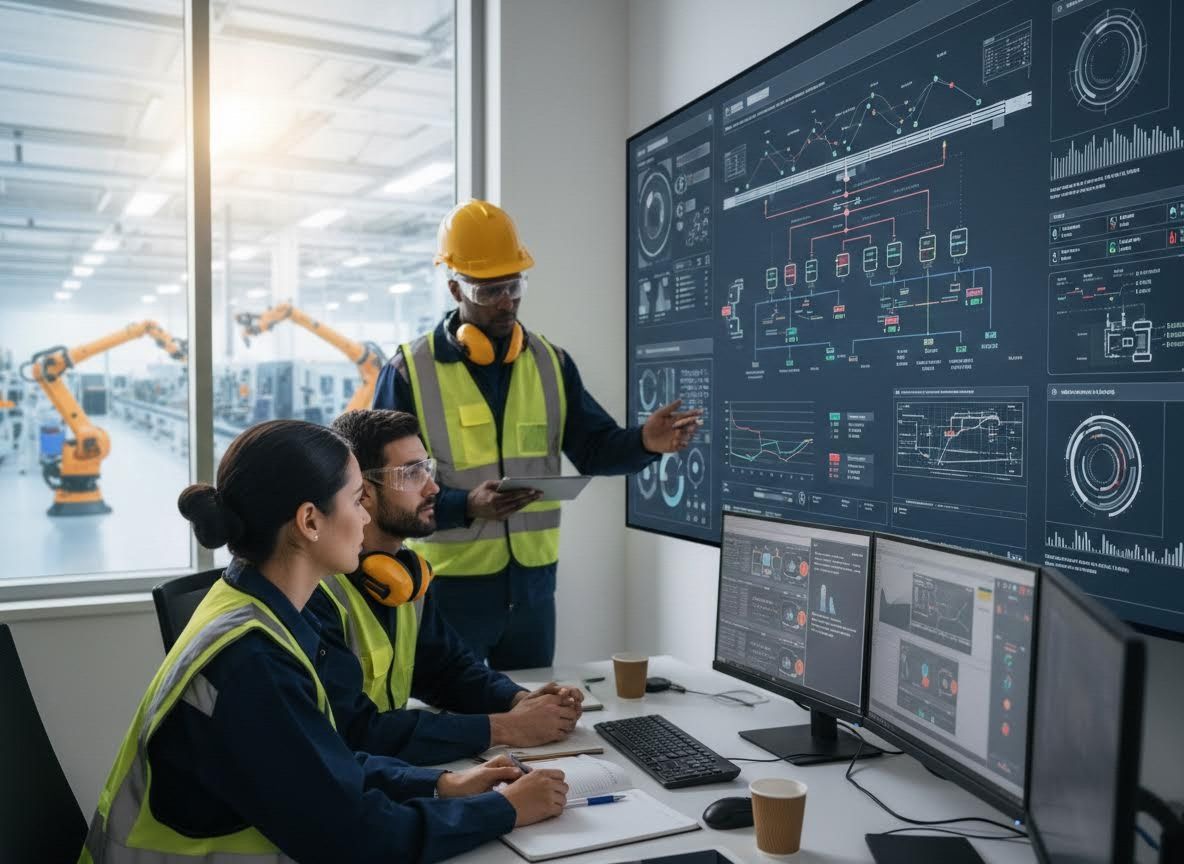
Traditional manufacturing monitoring often relies on periodic checks and manual data collection, leading to delays in identifying and addressing issues. This reactive approach can result in significant downtime, wasted resources, and suboptimal production cycles. Remote monitoring transcends these limitations by deploying a network of sensors and data collection points across machinery and processes. This infrastructure continuously feeds critical operational data – from machine performance metrics and environmental conditions to energy consumption – to a centralized platform. Real-time visibility empowers manufacturing leaders to move from reactive problem-solving to proactive optimization, ensuring that anomalies are detected and resolved before they escalate into costly disruptions.
Key Benefits Driving Manufacturing Excellence
Implementing remote monitoring solutions offers a myriad of tangible benefits that directly contribute to operational excellence. Firstly, predictive maintenance becomes a reality, shifting from scheduled or reactive repairs to maintenance based on actual machine condition. This significantly reduces unexpected breakdowns, extends equipment lifespan, and minimizes maintenance costs. Secondly, optimized resource allocation is achieved through precise data on energy usage, material flow, and labor efficiency, allowing for smarter decisions regarding resource deployment. Thirdly, enhanced quality control is possible by continuously monitoring process parameters, ensuring products meet specifications and reducing defect rates. Finally, the ability to access performance dashboards and alerts remotely facilitates faster decision-making, even when personnel are not physically on the factory floor, driving continuous improvement initiatives.
Implementing Remote Monitoring: Practical Considerations
The successful adoption of remote monitoring in a manufacturing environment requires careful planning and execution. Manufacturers must consider several practical aspects to ensure seamless integration and maximum return on investment. Data security and integrity are paramount, necessitating robust encryption and access control protocols to protect sensitive operational information. Integration with existing enterprise resource planning (ERP) and manufacturing execution systems (MES) is crucial to create a unified data ecosystem, avoiding data silos and ensuring holistic insights. Furthermore, the scalability of the chosen solution is vital to accommodate future growth and evolving operational needs. Selecting a provider with a deep understanding of industrial processes and a proven track record in deploying secure, reliable, and scalable remote monitoring technologies is a strategic decision that can define the success of such initiatives.
Embracing remote monitoring solutions is a critical step for manufacturing companies seeking to enhance efficiency, reduce operational costs, and maintain a competitive edge. By providing real-time data and actionable insights, these technologies empower businesses to optimize every aspect of their production cycle, from predictive maintenance to quality control. To explore how tailored remote monitoring strategies can transform your operations and unlock new levels of productivity, we invite you to learn more about the comprehensive solutions offered by G&C Optimization.