
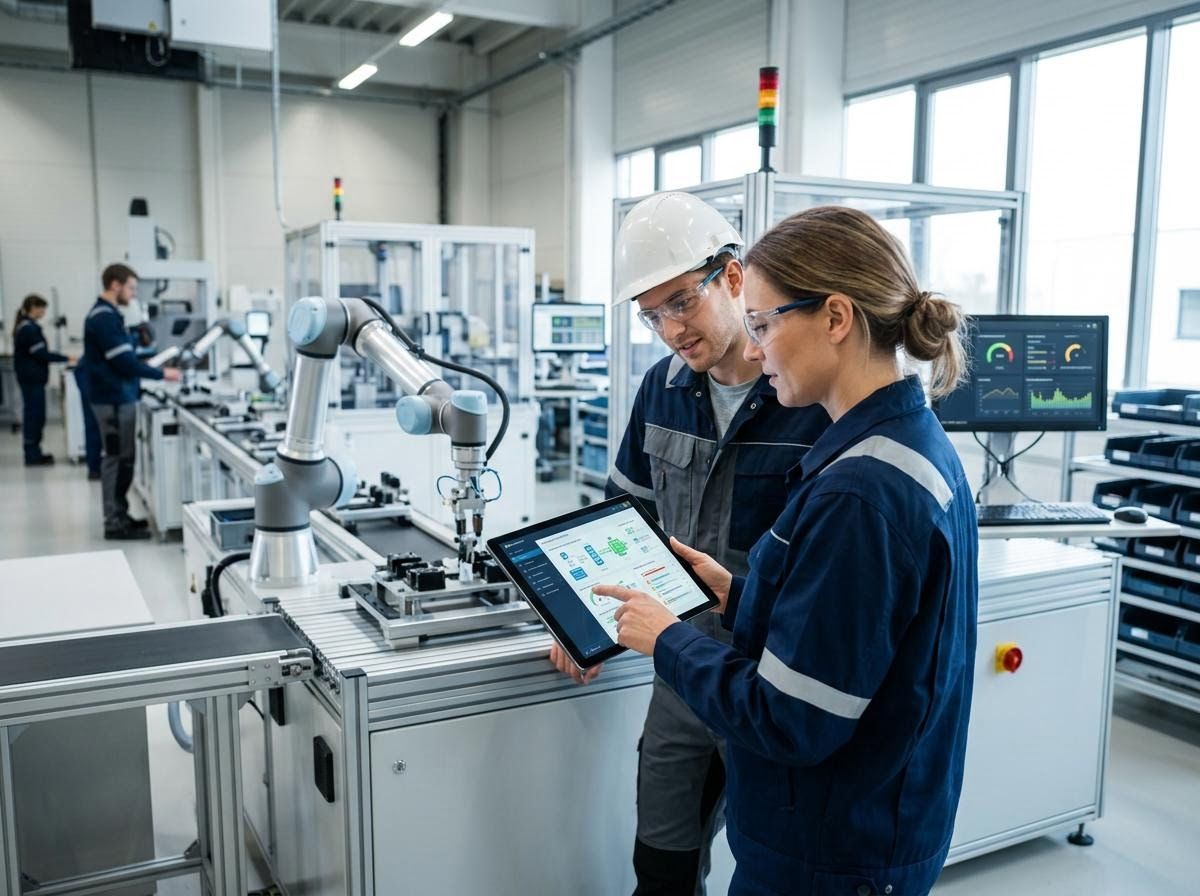
The manufacturing landscape is undergoing a profound transformation, moving rapidly into an era defined by interconnected systems, real-time data, and intelligent automation. This shift, known as Industry 4.0, is not just a technological upgrade but a complete reimagining of how goods are produced, driving unprecedented levels of efficiency, productivity, and innovation across sectors. At G&C Optimization, we understand the critical importance of these advancements in shaping the operational future of businesses. This blog post delves into the core tenets of Industry 4.0 and its revolutionary impact on modern manufacturing.
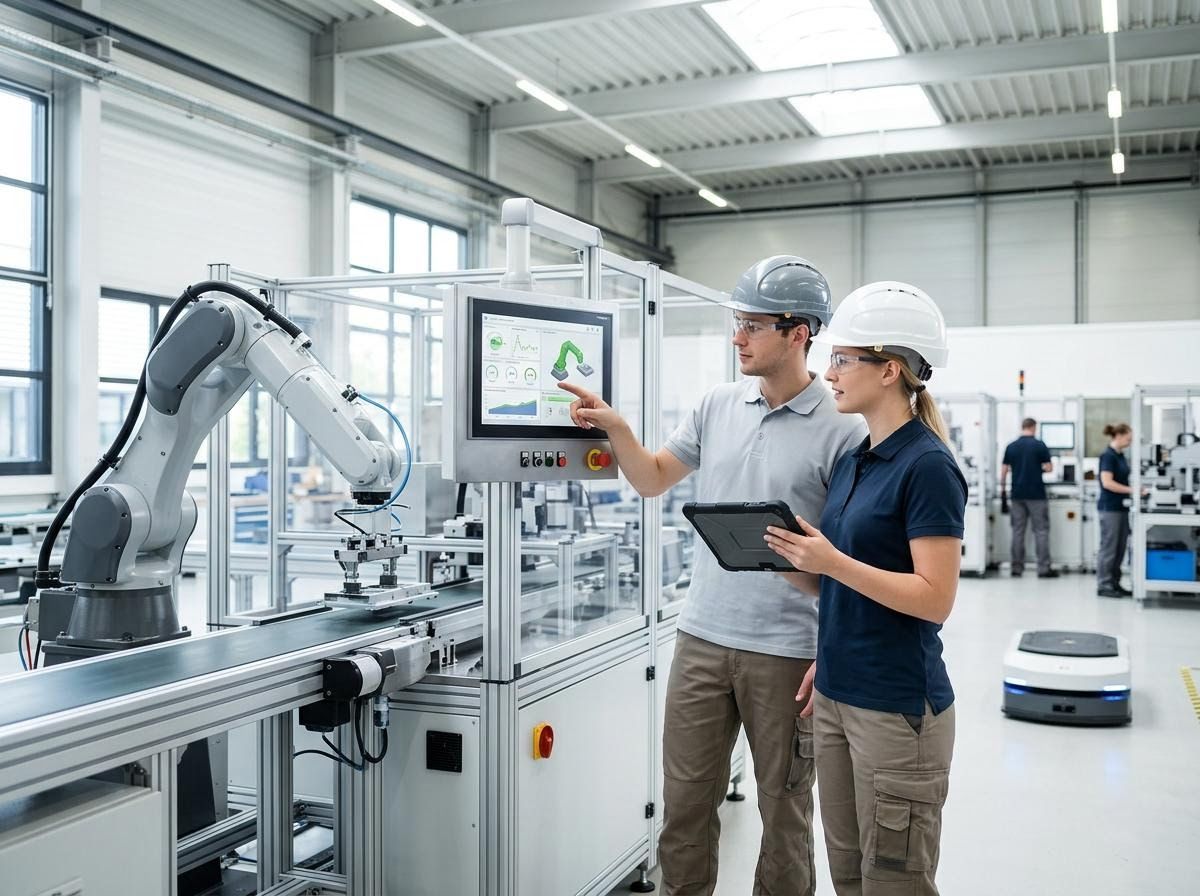
Understanding the Pillars of Industry 4.0
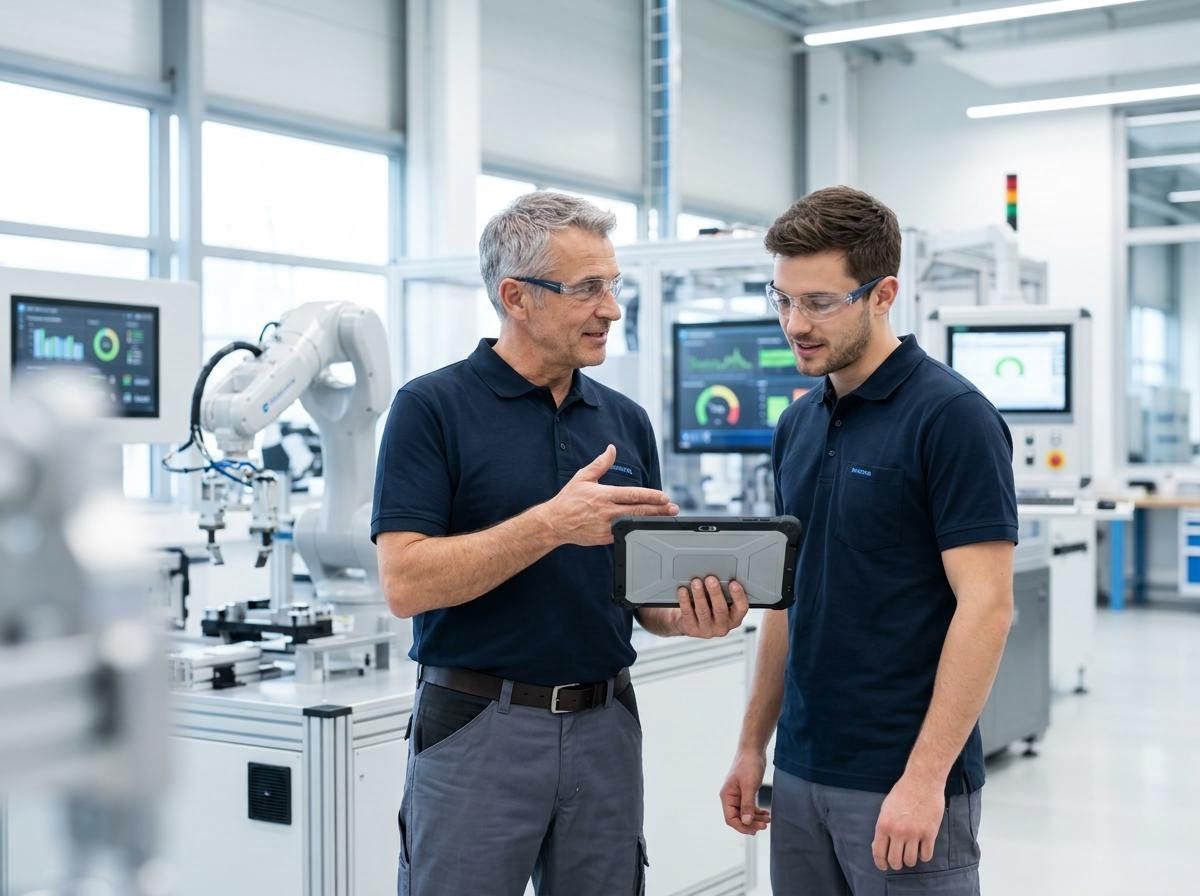
Industry 4.0 represents the fourth industrial revolution, characterized by the convergence of information technology (IT) and operational technology (OT). Its foundation rests on several key technologies, including the Internet of Things (IoT), artificial intelligence (AI), machine learning (ML), big data analytics, cloud computing, and advanced robotics. These elements work in concert to create "smart factories" where machines, systems, and products communicate and collaborate, enabling decentralized decision-making and self-optimization. For manufacturing companies, this means moving beyond simple automation to creating highly adaptive and responsive production environments.
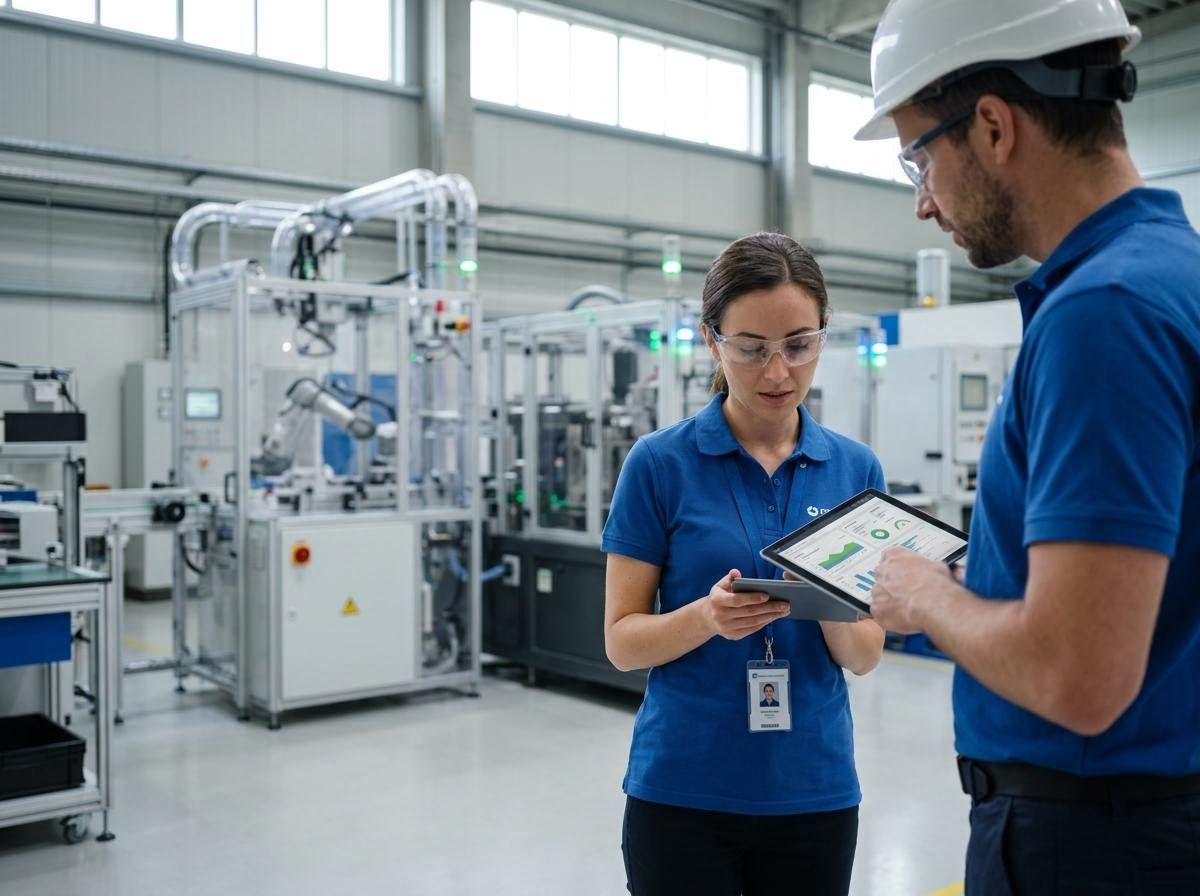
The Power of Connectivity and Data Analytics
At the heart of Industry 4.0 is unparalleled connectivity. IoT sensors embedded in machinery, equipment, and even products gather vast amounts of data in real time. This data is then processed and analyzed using sophisticated AI and ML algorithms to uncover patterns, predict outcomes, and provide actionable insights. Manufacturers can leverage this information for predictive maintenance, anticipating equipment failures before they occur, thereby minimizing downtime and extending asset lifespans. Furthermore, advanced analytics optimize production schedules, manage supply chains with greater precision, and ensure quality control, all leading to significant cost reductions and improved throughput.
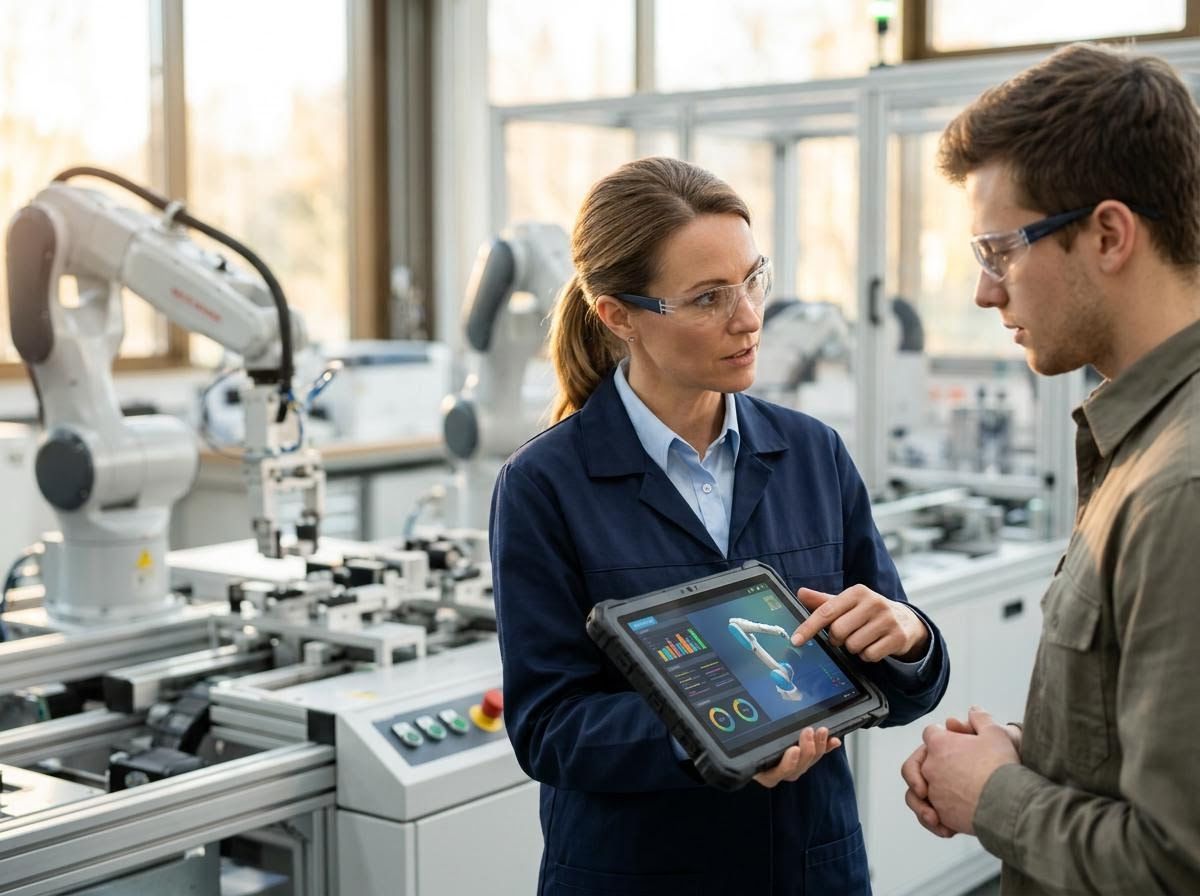
Enhancing Operational Efficiency and Productivity
The adoption of Industry 4.0 principles fundamentally redefines operational efficiency. Automated systems, guided by intelligent algorithms, can perform tasks with greater speed and accuracy than human operators, reducing errors and waste. Digital twins, virtual replicas of physical assets or processes, allow for simulation and testing of changes without disrupting actual operations, leading to optimized workflows and faster product development cycles. This level of optimization not only boosts productivity but also enables manufacturers to respond more flexibly to market demands, customizing products and scaling production with unprecedented agility.
Navigating the Future with Expert Partnership
While the benefits of Industry 4.0 are transformative, implementing these advanced solutions can be complex, requiring a deep understanding of both technology and operational intricacies. Integrating legacy systems with new digital platforms, ensuring cybersecurity, and developing a workforce skilled in these new technologies are significant challenges. Therefore, strategic partnership with experts who understand the nuances of automation and process optimization is crucial. Such collaboration ensures that solutions are not just innovative but also reliable, tailored to specific operational needs, and designed to deliver tangible, long-term value.
The journey into Industry 4.0 is essential for manufacturers aiming to remain competitive and resilient in an evolving global market. By embracing intelligent automation, data-driven insights, and integrated systems, companies can unlock new levels of performance and operational excellence. To explore how advanced automation and optimization strategies can be precisely tailored to elevate your manufacturing operations, we invite you to learn more about our comprehensive solutions and expertise.